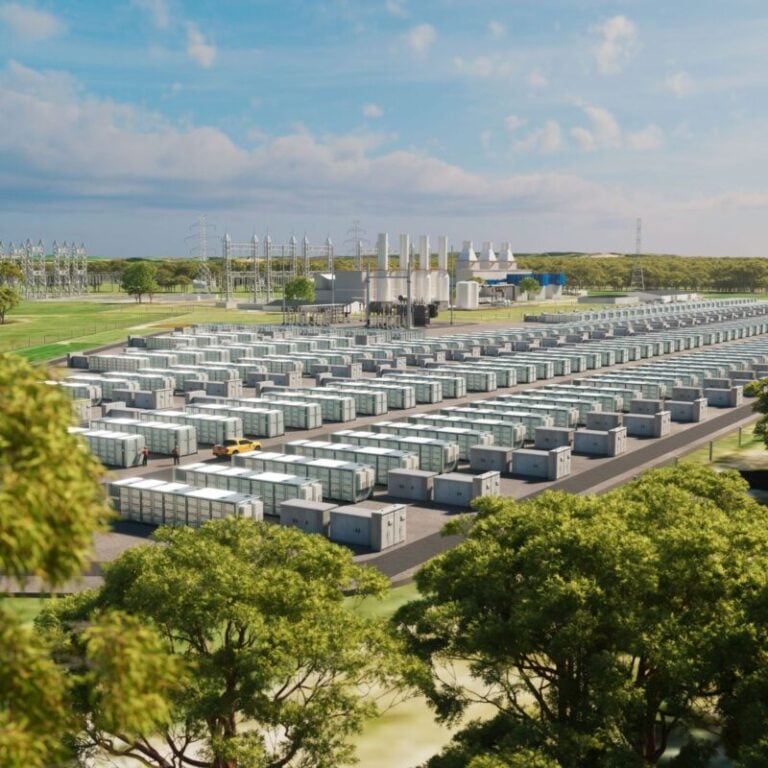
NSW planners approve Foresight’s 150MWh BESS; Banpu submits 1GWh development to Australia’s EPBC Act
A 150MWh system has been granted approval in Australia, whilst a 1,000MWh system has been submitted for federal consideration.

A 150MWh system has been granted approval in Australia, whilst a 1,000MWh system has been submitted for federal consideration.
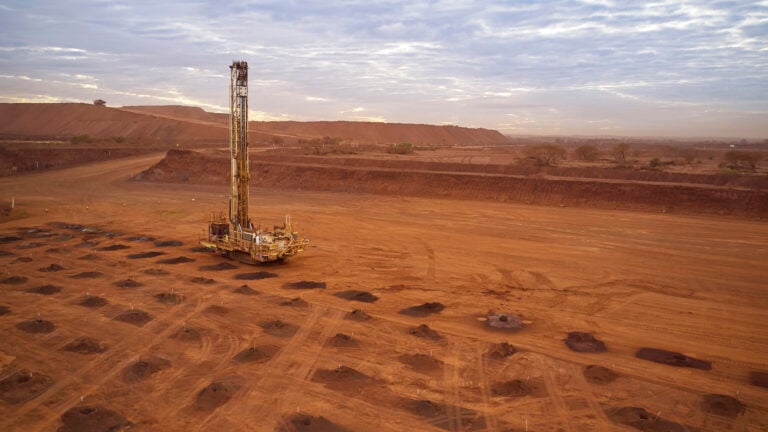
James Costello, CEO of EORA Energy, argues that long-duration vanadium redox flow battery storage is critical to Western Australia’s decarbonisation efforts, particularly for remote mining operations.
Australia’s heavy reliance on imported fossil fuels has left households and businesses dangerously exposed to global energy shocks, with the current conflict involving the US and Iran costing motorists more than AU$1 billion (US$710 million) in March alone.
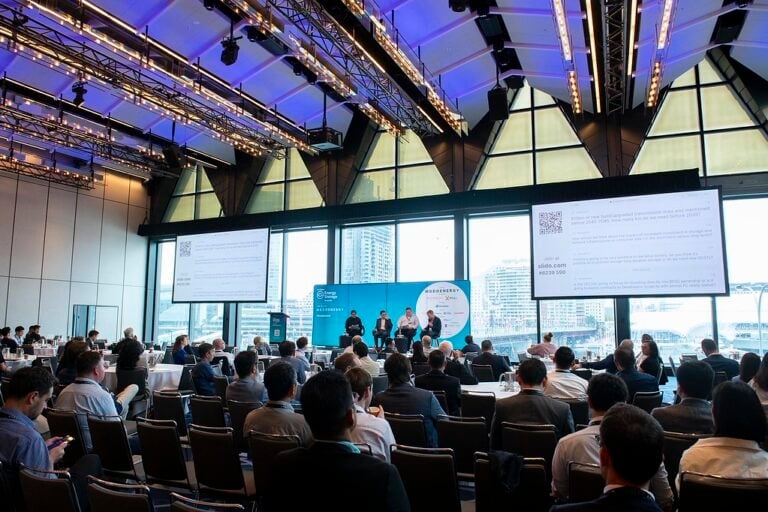
New South Wales has been warned that it must accelerate the development of battery energy storage systems to meet its 2030 targets.
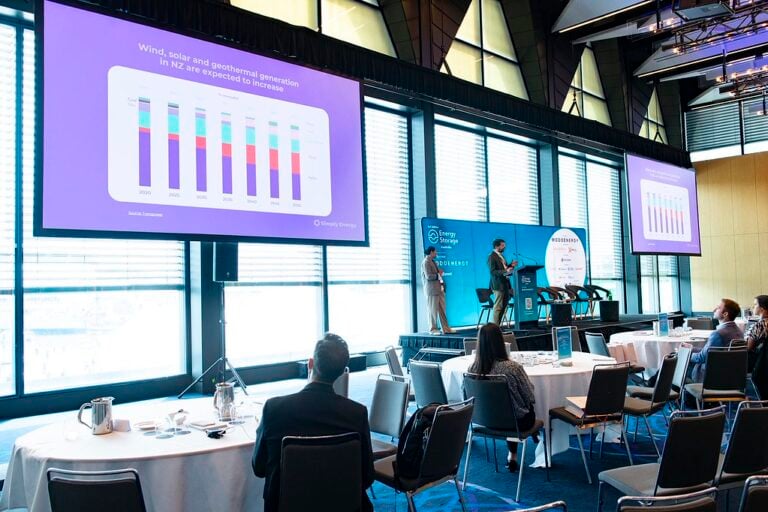
New Zealand’s fragmented electricity market structure is creating both opportunities and obstacles for industrial battery storage, as demonstrated by CentrePort Wellington’s upcoming deployment.
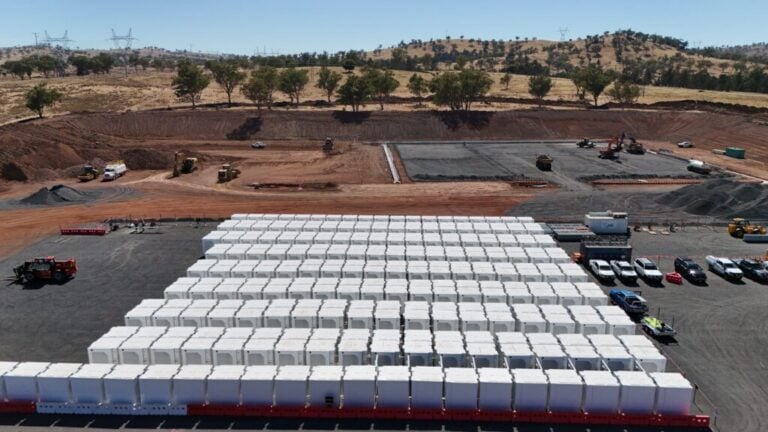
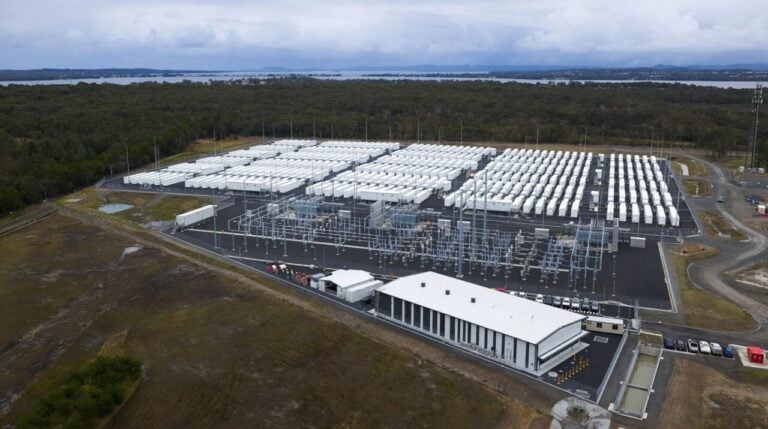
A 1.6GWh grid-forming battery energy storage system has received EPBC Act approval in Queensland, Australia.
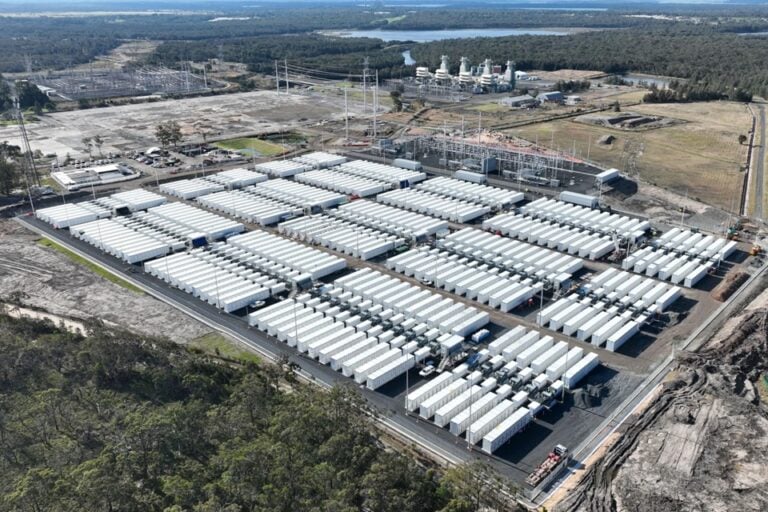
Climate Energy Finance’s Tim Buckley argues that geopolitical instability exposes Australia’s oil dependency and positions the country as a safe haven for international renewable energy capital.
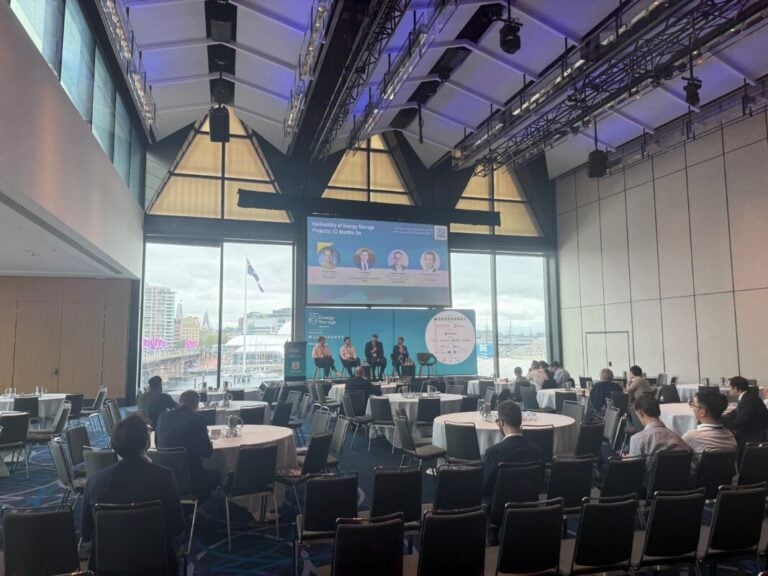
Australian BESS face new financing reality as spreads halve to AU$100/MWh and lenders demand 50-70% contracting amid 15GW deployment surge.
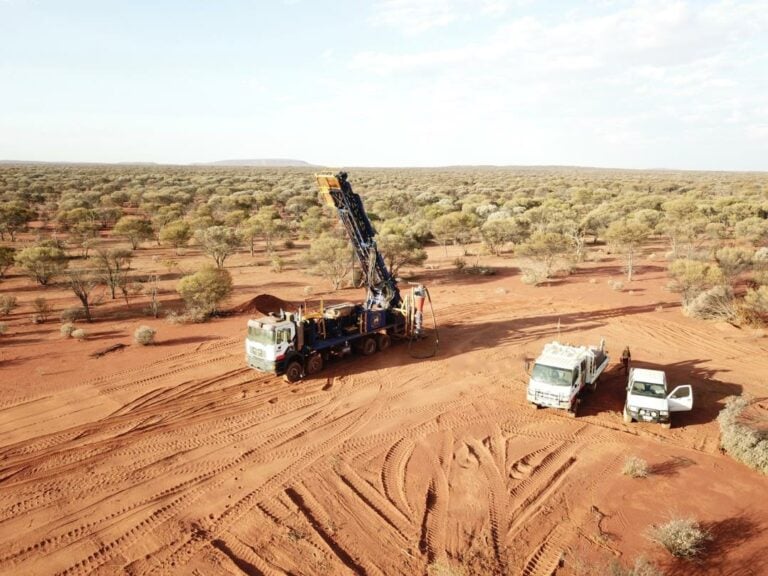
Eora Energy has officially launched in Australia and is positioning itself as a challenger in the vanadium redox flow battery market.

In this webinar, GridBeyond’s Scott Berrie and Paul Conlon explore how to extract more value from battery storage assets in Australia’s NEM.